Manaslu peak Expedition
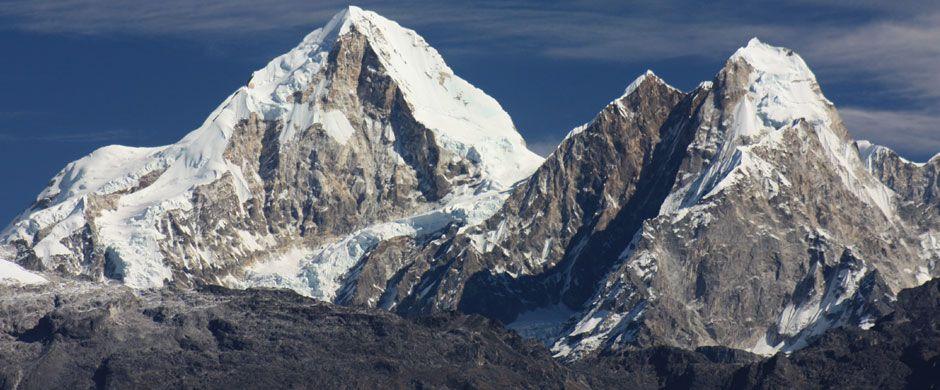
Manaslu, the eighth-highest mountain in the world, stands at 8,163 meters (26,781 feet) above sea level. It is located on the northern side of the Gorkha district, along the Budhi Gandaki Valley. The name “Manaslu” is derived from the Sanskrit word Manasa, meaning “intellect” or “soul.” The total climbing route from the Base Camp spans approximately 12.2 km.
Overview
Manaslu, the eighth-highest mountain in the world, stands at 8,163 meters (26,781 feet) above sea level. It is located on the northern side of the Gorkha district, along the Budhi Gandaki Valley. The name “Manaslu” is derived from the Sanskrit word Manasa, meaning “intellect” or “soul.” The total climbing route from the Base Camp spans approximately 12.2 km. The nearest settlement to the Manaslu peak is Samagaun, situated about 1.9 km away.
Manaslu’s summit was first successfully reached on May 9, 1956, by Toshio Imanishi and Gyalzen Norbu, members of a Japanese expedition. Because of this historic ascent, the three main peaks of Manaslu are often associated with Japanese climbers.
The Manaslu Expedition 2025, organized by the Asian Hiking Team, offers climbers a chance to summit this majestic 8,163-meter peak. The expedition is scheduled to begin on September 8, 2025, during the prime autumn climbing season.
The primary trekking route to Manaslu Base Camp, known as the caravan route, begins at Samagaun. There are two main ways to reach Samagaun: either by crossing the high Larkya Pass, starting from Besisahar, or by driving to Dharapani/Tilche followed by a 3–4 day trek to Samagaun. Alternatively, the original Manaslu trekking route starts at Sotikhola/Machhekhola and takes 5–7 days to reach Samagaun.
Climbing routes and best season:
Manaslu offers several climbing routes, but the most commonly used and established route is the Southwest Face route, which is also the standard and safest path to the summit. The Asian Hiking Team primarily guides expeditions via the Southwest Face, focusing on safety, acclimatization, and maximizing the chance of a successful summit.
Base Camp (4,800 m): The expedition's main hub for acclimatization and preparations.
Camp 1 (5,600 m): Located on the glacier, this camp is the first major stop.
Camp 2 (6,400 m): Positioned on a rocky ridge, Camp 2 offers shelter from avalanches and harsh winds.
Camp 3 (7,400 m): Situated high on the mountain’s southwest face, this camp is used for acclimatization and preparation for the summit push.
Camp 4 (7,900 m): The final camp before the summit push, located on a high snow slope.
From Camp 4, climbers typically begin their summit attempt during the early morning hours, navigating steep snow and ice slopes and some mixed terrain before reaching the summit at 8,163 meters.
Climbing Season: Planned during the autumn window (September-October), offering stable weather conditions and clear summit opportunities.
Trip Facts
32 Days
$14500
2-15 persons
8,163 meters (26,781 feet)
Manaslu region, Gorkha district
Southern routes (Southwest Face route)
Mountaineering VII
Spring & Autumn (autumn is the best)
Hotel and Camping
Drive and trek to base camp.
Trip Highlights
Eighth Highest Peak
Summit the majestic Manaslu at 8,163 meters (26,781 feet), the world’s eighth-highest mountain.
Scenic Trekking Route
Trek through pristine landscapes of the Budhi Gandaki Valley, experiencing remote villages, rich culture, and diverse flora and fauna. Explore traditional Gurung and Tibetan-influenced villages such as Samagaun, where you can immerse yourself in local customs and hospitality.
Classic Southwest Face Route
Follow the established climbing route, widely regarded as the safest and most reliable path to the summit.
Natural Beauty
Witness spectacular views of snow-capped peaks, glaciers, rhododendron forests, and alpine meadows throughout the trek and climb.
Well-Organized Expedition
Led by experienced guides and Sherpas from Asian Hiking Team, ensuring safety, logistics, and expert support throughout the journey. Comprehensive expedition support including high-quality gear, fixed ropes, and emergency evacuation plans.
Historic Significance
Follow in the footsteps of the first successful Japanese ascent in 1956, embracing the mountain’s rich climbing heritage.
Itinerary
Arrival in Kathmandu airport, meet our staff then transfer to Hotel. Staff meets you outside arrivals with an Asian Hiking Team sign. 15-20 min drive to Hotel (traffic-dependent). Hotel Check-in & Freshen up, Recommended: Shower, hydrate, and rest, overnight at hotel.
Day 02 and Day 03: Preparation for Expedition, Group Meeting & expedition briefing, Official works for expedition and briefing by officer of Ministry of Tourism, overnight at Hotel. A mandatory group meeting will be held, where you will meet your expedition leader, climbing Sherpa team, and Asian Hiking Team support staff. During the meeting:The expedition itinerary and logistics will be reviewed in detail. The team will discuss climbing strategies, acclimatization schedules, and high-altitude safety protocols. Participants will receive a comprehensive briefing on weather patterns, mountain hazards, equipment checks, and communication systems used during the climb. The meeting provides an excellent opportunity to ask questions and get to know your fellow team members. In parallel with the team briefing, Asian Hiking Team will handle all the necessary official formalities and documentation required for your Expedition. The team will attend an official pre-expedition briefing conducted by an officer from the Ministry of Tourism. The liaison officer and expedition leader will sign the official commitment to adhere to responsible mountaineering practices.
Kathmandu to Besi Shahar continue to Dharapani (1860m) by Bus/Jeep, 9–12 hours, overnight at hotel (B/L/D). The journey begins with a drive from Kathmandu to Besisahar, the gateway to the Manaslu region. From Besisahar, continue by bus or jeep to Dharapani at an altitude of 1,860 meters. The entire drive takes approximately 9 to 12 hours, passing through scenic landscapes and local villages. Upon arrival in Dharapani, you will stay overnight at a hotel. Meals—breakfast, lunch, and dinner—are included. (B/L/D). Optional Itinerary for Day 04: Kathmandu to Arughat Bazar (620m), continues to Sotikhola to Machha Khola (870 m) by Jeep/ Local Bus 9-12 hours, overnight hotel (B/L/D).
Trekking to Tilje (2360m), 4-6 hours, overnight at hotel/Lodge (B/L/D). The trek from Dharapani to Tilje (2,360m) takes around 4 to 6 hours, gradually ascending through lush forests and traditional villages. Along the way, you will pass through charming settlements where you can observe local customs and lifestyles. The trail offers stunning views of terraced fields, rolling hills, and distant mountain peaks. Tilje is a quiet village known for its warm hospitality and peaceful atmosphere. You will stay overnight at a comfortable hotel or lodge, with all meals provided—breakfast, lunch, and dinner. (B/L/D) Optional Itinerary for Day 05: MachheKhola to Jagat (1340 m), 5-6 hours, Overnight Lodge /Guest house (B/L/D).
Trekking to Bhimtang (3590m), 4–6 hours, overnight at hotel/Lodge (B/L/D). Trek from Tilje to Bhimtang (3,590m), a journey of approximately 4 to 6 hours. The trail ascends steadily through dense forests of rhododendron and pine, opening up to spectacular panoramic views of the surrounding Himalayan peaks. Along the way, you will pass traditional mountain villages, offering a glimpse into the local culture and lifestyle. Bhimtang is a charming village known for its serene environment and beautiful natural surroundings. Overnight stay at a comfortable hotel or lodge, with all meals included —breakfast, lunch, and dinner. (B/L/D) Optional Itinerary for Day 06: Jagat to Deng (1860m), 5-6 hours, Overnight Lodge /Guest house (B/L/D).
Over the Larkya Pass 5213m, trek to Dharmasala 4900 m, 8-14 hours, overnight at Lodge (B/L/D). Cross the challenging Larkya Pass at 5,213 meters, the highest point of the trek. The ascent is steep and demanding but rewards you with breathtaking panoramic views of the Himalayas. After summiting the pass, descend to Dharmasala at 4,900 meters for rest and recovery. This trek section takes approximately 8 to 14 hours, depending on pace and conditions. Overnight stay at a lodge with all meals included —breakfast, lunch, and dinner. (B/L/D). Optional Itinerary for Day 07: Deng to Namrung (2630m), 5-6 hours 2300m, Overnight Lodge /Guest house (B/L/D).
Dharmasala to Manaslu base camp, 5-7 hours, overnight at hotel (B/L/D). Trek from Dharmasala to Samagaon, a journey of 5 to 7 hours. The trail gradually descends through alpine meadows and rhododendron forests, offering stunning views of the surrounding peaks and glaciers. Samagaon is a traditional village known for its rich cultural heritage and warm hospitality. Overnight stay at a comfortable hotel, with all meals provided—breakfast, lunch, and dinner. (B/L/D). Optional Itinerary for Day 08: Namrung to Lho (3180m), 4-6 hours, Overnight Lodge /Guest house (B/L/D).
Samagau to Manaslu Base camp (4900m), 3-5 hours, meet our staffs, overnight at camp (B/L/D). Trek from Samagaon to Manaslu Base Camp (4,900m), a gradual ascent taking approximately 3 to 5 hours. The trail climbs steadily through alpine pastures and glacial moraines, with dramatic views of Manaslu and its towering icefalls. Upon arrival at Base Camp, meet the expedition staff and Sherpa team, and begin preparations for the climbing period. Overnight at camp in expedition tents, with all meals provided —breakfast, lunch, and dinner. (B/L/D). Optional Itinerary for Day 09: Lho to Samagaou (3360m), 4-5 hours, Overnight Lodge /Guest house (B/L/D).
The expedition begins with several days at Base Camp to acclimatize, organize gear, and conduct training on the glacier. Daily routines include technical briefings, fixed rope practice, and short acclimatization hikes.
4–6 hour climb from Base Camp, crossing moraine and glacier. Positioned on a large flat glacier area, exposed to avalanches from series above. Climb to Camp 1, overnight, camp 1.
A 4–5 hour climb from Camp 1 through snow slopes and crevasses. Situated on a safer section of the glacier with good space for tents, return to base camp.
The expedition begins with several days at Base Camp to acclimatize, organize gear, and conduct training on the glacier. Daily routines include technical briefings, fixed rope practice, and short acclimatization hikes.
4–6 hour climb from Base Camp, crossing moraine and glacier. Positioned on a large flat glacier area, exposed to avalanches from series above. Climb to Camp 1, overnight, camp 1.
A 4–5 hour climb from Camp 1 through snow slopes and crevasses. Situated on a safer section of the glacier with good space for tents, overnight camp 2.
Early morning climb to Camp 3, 3–4 hour climb from Camp 2 through steeper snow slopes and crevassed areas & return to the base camp.
After proper rest and monitoring weather forecasts at Base Camp, overnight base camp.
After proper rest and monitoring weather forecasts at Base Camp, overnight base camp.
Summit Push: Base camp to Camp 1 (5700m): As follow as same route rotation day.
Summit Push: Camp 1 to Camp 2 (6400m): As follow as same route rotation day.
Summit Push: Camp 2 to Camp 3 (6800m): As follow as same route rotation day.
Summit Push: Camp 3 (6800m) to Camp 4 (7500): climb via steep snow and ice slopes to camp 4.
Summit day and return to camp 3: climb via steep snow and ice slopes to the summit ridge. The final section includes exposed, narrow ridges with breathtaking views. Reach the summit of Manaslu (8,163m) take photos, descend carefully back to Camp 3.
Descend from Camp 3 to Base Camp; as follow as same route rotation day.
Spare day: weather / any delay.
After a well-deserved rest at Base Camp, pack up and trek back to Samagaon and onward.
Trek from Samagaon to Namrung (5–6 hours). The trail descends gradually through lush forests of pine and rhododendron, passing through picturesque villages and terraced fields. Along the way, you’ll enjoy beautiful views of the mountains and experience the rich cultural heritage of the region. Namrung is a charming village known for its traditional stone houses and friendly locals. Overnight stay at a lodge or guesthouse. Meals included —breakfast, lunch, and dinner. (B/L/D)
Trek from Namrung to Jagat (8–10 hours). Today’s trek involves a long descent as you retrace your path through beautiful forests, traditional villages, and terraced farmlands. You will cross several suspension bridges over the Budhi Gandaki River and enjoy the changing landscapes as you move to lower elevations. Jagat, a charming stone-paved village, marks the entry point of the Manaslu Conservation Area. Overnight stay at a lodge or guesthouse. Meals included—breakfast, lunch, and dinner. (B/L/D)
Trek from Jagat to Machhekhola (6–7 hours). Continue descending along the Budhi Gandaki River, passing through subtropical forests, small settlements, and terraced fields. The trail is scenic, with occasional uphill and downhill sections, and crosses several suspension bridges. You’ll pass through villages such as Tatopani, where natural hot springs can be enjoyed. Arrive at Machhekhola, a riverside village, where you will stay overnight at a lodge or guesthouse. Meals included —breakfast, lunch, and dinner. (B/L/D)
Trek from Machha Khola to Soti Khola, a short descent along the river (2–3 hours). After reaching Soti Khola, you will board a tourist coach/private vehicle for the drive back to Kathmandu, which takes approximately 7–9 hours. Enjoy the scenic drive through the hills and countryside of Nepal. Upon arrival in Kathmandu, transfer to your hotel for a well-deserved rest. Meals included —breakfast and lunch. (B/L)
Free day in Kathmandu, rest and relax.
As your memorable journey through the Himalayas achieves, our airport representative will ensure a smooth transfer from your hotel to Tribhuvan International Airport (TIA) in Kathmandu for your departure flight. We hope your journey through Nepal has been inspiring and unforgettable. Should you plan to explore more of this beautiful country, feel free to reach out for assistance. Safe travels!
Route Map
What's Included
Land Transport / Domestic Air ticket
- Pick up/ Drop from International Airport to Hotel.
- Kathmandu to Sotikhola/Machhekhola/Besishar/Dharapani (Trekking starting and ending land transport as itinerary).
Accommodation and Meals
- Hotel in Kathmandu with breakfast as itinerary (here are so many options, we provide on cost 4-star hotel if you want higher star please add on option.
- Accommodation during the trekking: Single/Twin-sharing room with wooden beds, foam mattresses, and blankets (bring a sleeping bag for extra warmth/hygiene). Most of the place have shared toilets (usually Asian-style squat or Western toilets). Some of the place has attached toiled. Hot showers available (on extra cost). Higher up, hot water is scarce.
- Base Camp single tent with mattress and pillow for each member, climbing Sherpa, BC staff and Liaison Officer.
- High altitude tents for all members and climbing Sherpa’s.
- All camping equipment like camp furniture (table, chairs), kitchenware, kitchen, dining, guest, shower and toilet tents in Base camp.
- Camping / Upper camps’ meals (Breakfast, Lunch and Dinner) with hot drinks, high foods etc.
- Snacks for climbing: Pack energy bars, nuts, chocolate, or local chyura (beaten rice) for quick energy boosts between meals during the climbing/expedition only.
- Breakfast: Porridge/Oatmeal (often with honey, fruits, or nuts), eggs (fried, scrambled, or omelets with veggies), Pancakes or Tibetan Bread (served with jam, honey, or peanut butter), Muesli/Cornflakes (with hot or cold milk), Tea/Coffee (black, milk tea, or ginger lemon honey tea) etc.
- Lunch: Dal Bhat (Nepali staple: lentil soup, rice, vegetable curry, and pickles—unlimited refills!), Noodles/Pasta (fried noodles, garlic pasta, or ramen), Momos (dumplings stuffed with veggies or meat), sandwiches (egg, cheese, or tuna), soup (garlic, mushroom, or veggie—popular for warmth and hydration) etc.
- Dinner: Dal Bhat, Curries (veggie, potato, or chicken with rice or chapati), Thukpa (local noodle soup), Pizza, Pasta, Fried Rice/Noodles, Desserts (apple pie, rice pudding, or Snickers rolls etc.).
Permits and Entry fees
- Manaslu special trekking permit.
- Manaslu Conservation permit /Entrance fees.
- Annapurna Conservation permit / Entrance fees.
- Manaslu Expedition Permit /Royalty.
- Government appointed Liaison Officer: insurance, equipment, transportation, bonus, and daily wages for liaison officer.
- Local Entry permit / Entrance fees.
- Entrance fees in Monastery/temple.
Staffs: Guide, Sherpa, Porters
- Expedition Sherpa Guide: A First Aid and Eco trained & Government licensed holder professional equipped English-speaking one high altitude Sherpa guide per member.
- Support Sherpa: we use high altitude Sherpa guide for transport to upper camps.
- Porter/Yak: Baggage/ Equipment allowance for trekking up and down is maximum 50-60kg per person.
- Base Camp Manager, Base Camp cook, necessary staffs.
- Wages, meals, accommodation, equipment, medical and accidental Insurances for Sherpa guide and other staffs.
Equipment or gear and souvenir
- Peak /trekking Map /Itinerary: Asian Hiking Team provides free a copy of trekking map /trekking/peak Itinerary to our client.
- Group Climbing equipment such as fix ropes, main ropes Ice tool, Ice screws, Ice Bar, Carabineers, Locking carabineers, Short-5- millimeter accessory cords, Slings etc.
- Emergency Oxygen bottles (3+ bottles per member above 8000m peak and for Everest and Lhotse 5+ bottles) mask and regulator.
- Solar panel/ generator at Base Camp for light and charging small electronics (eg. mobile phones, amateur digital cameras and handheld video cameras).
- Rope fixing fee.
- T-short: Asian Hiking Team provide the company T-short and one special souvenir each member.
- Certificate: Expedition success certificate for your memory and awardees.
Additional features
- First Aid: First aid is the immediate assistance given to someone who is injured or ill until professional medical help is available. Its goal is to preserve life, prevent further harm, and promote recovery. Asian Hiking Team staff carry the basic first aid. You need to bring your own personal medicine with you.
- Satellite phone carrying by Guide for communication and available for members with nominal cost.
- Farewell dinner: Asian Hiking Team provide a farewell dinner with Nepalese cultural programs the last day of the trip.
- Travel & Rescue arrangement service: You should bring insurance, must include emergency air ambulance/helicopter rescue services.
What's Not Included
International Air Ticket / Nepal Visa fees
- International air ticket to/from Nepal.
- Nepal tourist visa: for the Nepal Tourist visa fees, process of visa, further rules and regulation please check here https://www.immigration.gov.np.
Additional Accommodation and Meals
- Accommodation: Asian Hiking Team provide the hotel in Kathmandu and during the trekking as itinerary. If you stay an additional day, you need to pay an extra cost.
- Meals: Lunch and Dinner are not includes in Kathmandu.
- Hot drinks: Tea/ Coffees/ Hot water, hot showers etc during the hotel/lodge.
- Cold/soft drinks: All cold drinks, alcohol drinks, beer, bottle water etc.
- Snacks: Pack energy bars, nuts, chocolate, or local chyura (beaten rice) for quick energy boosts between meals during the trekking.
Personal Natural Expensive
- Personal trekking/climbing gears & clothing (some of the equipment is possible to rent in Kathmandu): please check in check list for peak climbing equipment list…
- Personal solar pack (if any) for charging heavy electronics (laptops, professional camera, batteries, etc.).
- Internet / Wi-Fi/Telephone: There are almost all trekking reason you can buy internet/ Wi-Fi service in the hotel/base camp. It is also possible to buy the NCAL or NTC Sim card for telephone or use data.
Additional Entry fees and tip/donation
- Kathmandu: During the sightseeing in Kathmandu, the entry fees for Temple or Monastery, Durbar Square are not includes on the cost.
- The tip for guide or porter/ Summit bonus: It's a way to show appreciation for good service and is often left as a small present or in addition. Tips are a common practice in many cultures and are often expected for services. Summit bonus is fixed US$ 1500.
Additional porter or Sherpa request
- Porter/Yak: Asian Hiking Team provide 50-60kg. If you have more weight hire the additional porter, the cost in not includes.
- Sherpa/ Guide: If you want personal Sherpa/guide, it is not including on the cost.
Dates & Availability
No fixed dates available
Essential Information
Tailored Add-ons & Options
Tailored add-ons in Nepal trips refer to customizable essentials that enhance and personalize your travel experience, allowing you to align your journey with specific interests, preferences, and schedules. These add-ons can be combined into various types of trips, including trekking, expedition, climbing, cultural tours, wildlife safaris, and adventure activities.
Options include:
- Customized Accommodations: Upgrade from standard lodging to luxury hotels or homestays.
- Helicopter Flights: Option for helicopter transport to the base camp, the cost depends on group size/sharing/private.
- Adventure Activities: Add one above 6000m peak climbing for enough acclimatization for expedition.
- Training Rock/ice climbing: Add rock and ice climbing training...
Climbing guide/Sherpa
Asian Hiking Team’s Guides/Sherpa are professionals with proven records of honesty and personal integrity, committed to environmentally responsible climbing practices that minimize ecological impact. Our Climbing Guides possess extensive knowledge of all climbing disciplines, local cultures, customs, and religions, and they enthusiastically share these insights with clients. All Guides are fluent in English and speak additional languages upon request.
Asian Hiking Team’s Climbing Guides/Sherpas bring years of experience and exceptional expertise in all facets of Nepal mountaineering. Each holds a Nepal Government License, Mountaineering Association Accreditation, and Summit Certificates for Nepal Himalayan peaks. Our high-altitude Sherpa guides are qualified through rigorous...
Mountaineering Grade
The difficulty of the climbing or expedition depends on the peak. Trekking peaks are easier than high mountain expeditions, but some of the less high trekking peaks are also technical for climbing.
We have to calculate the grade focus on following topic:
- Length of trek and walking days /Easy glacier route.
- Which Mountain and altitude conditions.
- Average altitude, maximum altitude and average gain/loss per day.
- Likely prevailing weather conditions and temperature range.
- Remoteness of local services and general level of comfort.
- Rock climbing or Ice climbing.
- Technical climbing and complicated glaciers.
- Steep climbing or long snow/ice slopes
- Very difficult...
Accommodation and meals
Accommodation
Hotel/ Lodge: Single/Twin-sharing room with wooden beds, foam mattresses, and blankets (bring a sleeping bag for extra warmth/hygiene). Most of the place have shared toilets (usually Asian-style squat or Western toilets). Some of the place has attached toiled. Hot showers available (on extra cost). Higher up, hot water is scarce.
Tented Camping: tented camping is a classic and essential part of trekking, peak climbing, and expedition in remote areas of the Himalayas where teahouse accommodation is unavailable. Asian Hiking Team provides tent (2-person or single occupancy Dom and Box tent depends on area and numbers of days), sleeping mat...
Transportation
Transport in Manaslu Expedition
Here’s a traveling from Kathmandu to Sotikhola to Machhe Khola to popular trailhead options for the Manaslu Circuit trek/Expedition:
Kathmandu to Machhekhola/Sotikhola appro. 160KM
Public Bus (Kathmandu to Machhe Khola via Sotikhola – Appro 160KM)
Departure point: New Bus Park (Machhapokhari/Gongabu), around 6–8 AM
Route: Kathmandu to Dhading Besi to Arughat to Sotikhola to MachheKhola
Travel time: 9–12 hours
Note: Buses are local; expect stops, crowding, rough/unpaved roads past Sotikhola. May you need to change the bus in Aarkhet bazar or Sotikhola.
Private Jeep / 4WD
Capacity: 6–7 passengers; great if in a group
Travel time: To Sotikhola: 4–7 hours and Full...
Climate & Trekking Seasons in Nepal
Nepal has four main seasons, but the best times for trekking and climbing are autumn and spring.
- Autumn (Sep-Nov): Best season. Clear skies, stable weather, and excellent mountain views. Warm days and cold nights.
- Spring (Mar-May): Second best season. Warmer weather, blooming rhododendrons. Can be hazy at lower elevations.
- Winter (Dec-Feb): Cold and snowy. High passes are often closed. Suitable for lower-altitude treks.
- Monsoon (Jun-Aug): Rainy and challenging. Best for treks in rain-shadow areas like Upper Mustang.
Mountaineering rules/royalty
Manaslu Expedition Royalty is in spring season 1500, Autumn seasons 3000, Winter/summer season 1500.
Royalty for Foreign Climber per Person in US Dollar
(Effected from 1st September 2025):
- Everest Normal Route - Spring Season 15,000, Autumn Season 7500 and Winter/Summer 3750
- Everest Other Route - Spring Season 10,000, Autumn Season 5000, Winter/Summer 2500
Others Mountain more than 8000 - Spring Season 3000, Autumn Season 1500, Winter/Summer 2500
- Mt. Manaslu - Spring season 1500, Autumn seasons 3000, Winter/summer season 1500
- Mountains - 7501 m. - 7999 m. Spring Season 1000, Autumn Season 500, Winter/Summer 250
- Mountains - 7001 m. - 7500 m....
Health guideline
Health and safety are paramount.
- Altitude Sickness (AMS): Prevent by ascending slowly, staying hydrated (4-5 liters/day), and acclimatizing properly. Know the symptoms (headache, nausea) and descend if they become severe.
- Food & Water: Drink only boiled, filtered, or bottled water. Eat well-cooked meals.
- Foot Care: Use well-fitted boots and address hotspots immediately to prevent blisters.
- First Aid: Our guides carry first aid kits, but you should bring personal medications.
Phone/internet service
NTC/Ncell SIM cards work in most areas along the Manaslu trekking route; however, network coverage is unavailable during the higher passes, base camp or in the gorge section. NTC network is the best in Manaslu area. In case of emergencies, a satellite phone is used for communication.
Landline and mobile phone services are available in Nepal. The network covers Kathmandu, major cities and towns and most of Nepal, except some rural Himalayan places. The Nepal Telecommunications Corporation is the national service supplier. There are also private service suppliers such as Hotels and private communication centres also provide long distance telephone, internet...
Travel insurance
Comprehensive travel insurance is mandatory for this expedition. Your policy must cover:
- Emergency Air Ambulance/Helicopter Rescue
- Medical Expenses
- Trip Cancellation and Interruption
You must provide proof of insurance before the trip begins. For the insurance company details please check our insurance recommended company in travel insurance page.
Responsible tourism
We are committed to responsible tourism. Our policies include:
- Environmental: Minimizing waste, using gas for cooking, and leaving no trace.
- Cultural: Respecting local customs, asking permission for photos, and supporting local economies.
- Community: Donating a portion of profits to community projects and ensuring fair treatment and wages for all staff and porters.
Optional Itinerary
Optional Itinerary
Day 01: Kathmandu to Arughat Bazar (620m), continues to Sotikhola to Machha Khola (870 m) by Jeep/ Local Bus 9-12 hours, overnight hotel (B/L/D).
Day 02: MachheKhola to Jagat (1340 m), 5-6 hours, Overnight Lodge /Guest house (B/L/D).
Day 03: Jagat to Deng (1860m), 5-6 hours, Overnight Lodge /Guest house (B/L/D).
Day 04: Deng to Namrung (2630m), 5-6 hours 2300m, Overnight Lodge /Guest house (B/L/D).
Day 05: Namrung to Lho (3180m), 4-6 hours, Overnight Lodge /Guest house (B/L/D).
Day 06: Lho to Samagaou (3360m), 4-5 hours, Overnight Lodge /Guest house (B/L/D).
Day 07: Samagau to Manaslu Base camp (4900m), 3-5 hours, meet our staffs,...
Checklist
Ice Axe/Ice Hammer
Bring a lightweight axe with a pick that will stick easily in hard glacier ice. Attach a light weight wrist leash that is usable for climbing steeper terrain.
Crampons
These must be sharp and must fit your boot perfectly.
Harness
Make sure the buckle is easy for you to thread in cold conditions! Gear loops will be useful for this trip as well as adjustable leg loops.
Helmet
Be sure you can comfortably fit a warm hat underneath.
Hardware
Bring 3 locking and 4 lightweight regular carabineers. It is helpful if at least one of the locking carabineers has a "key gate", like the Petzl Attaché. Bring one handled ascender and one Petzl Tibloc for ascending the fixed rope. You will need rigging material--two sewn 48" nylon slings and 10' of 8 mm perlon should be sufficient. Also include one small 5 mm prussik loop (about 4 feet of cord tied with a double fisherman's knot) for a rappel backup. For rappelling the Black Diamond ATC Guide is good since it can handle ropes from 7.7mm to 11mm. A Figure 8 is an old standby and works on a variety of ropes and also icy ropes. While it twists the ropes more, it is quite foolproof. You might consider both, in case you drop one of them and lose it. Our guide have Ice tools, Ice screws, Carabineers, Locking carabineers, Short-5- millimeter accessory cords, slings.
Insulated Parka/Expedition Suit
Heavyweight insulated expedition Suit/parka with hood.
Jacket
Lightweight waterproof-breathable construction with a hood.
Pants
Lightweight waterproof-breathable shell pants or bibs with full-length leg zippers. ALSO, very useful are synthetic insulation full-zip pants, for example, Mountain Hardware Compressor Pants--for evenings and cold summit days.
Mid-Layers
Fleece or Soft Shell layering pieces that work well with the rest of your clothing. A Soft Shell jacket and an expedition weight long john top will work well.
Climbing Pants
Look for construction that provides freedom of movement and/or stretch materials. Fabric should be a breathable synthetic that preferably holds up to abrasion.
Base Layers
- 2 synthetic tops and 1 bottom. Zip neck tops are the way to go.
Mittens
Fleece mittens with an over mitten. Nothing competes with a mitten for warmth when the going got tough.
Ski Gloves
A warm insulated glove with leather palm will be worn a lot of the time.
Light Gloves
Polypropylene or fleece. Leather palms handle the fixed line better, Leather gloves or good abrasion resistant climbing glove for the rock sections.
Stocking Hat
Wool or fleece stocking hat with ear protection, Neck Gaiter and/or a Buff (highly recommended), Baseball hat and Bandana.
Trekking Poles
Poles come in handy for balance and easing impact to your knees. Get collapsible poles that can attach to your backpack and fit into your Duffel.
Backpack
You may choose to bring a smaller "day pack" for your airline travel carry on, and this can be used on the trek if you want to carry a smaller (35 liter or so), light trekking pack. You need a pack big enough for your clothes, water, camera, food, etc. during the day.
Pack Cover
Waterproof rain cover for your trekking pack.
Trekking Clothes
Light hiking pants and / or hiking shorts for warm weather down low-NOT cotton. Shirts for hiking on nice days (t-shirts OK, quick-drying synthetic fabric is better.) Don't overdo your trekking clothes. A pair of shorts, long pants and a couple of shirts will do. Some pair of Socks, Underpants/panties/Bra, Belt, Skirt, one set sport sandals and Trousers, you can handwash them during the trek as needed.
Lightweight Approach Boots
Find a pair that fits and log some miles in them before your trip. A low cut shoe is adequate, but some hikers will prefer more ankle support.
Sleeping Bag
Bring a sleeping bag comfortable to -20 for trekking, however it is better to bring -30 for climbing. During the trekking in hotel/guest house -20 is fine but on the tented home you need -30. Down is lighter and much more compressible. Keep in mind that many of your nights will be much warmer than -20, especially on the trek in to base camp.
Double Climbing Boots with expedition liners
Make sure your crampons can be adjusted to fit them (La sportiva - Olympus Mons Cube).
Approach boots
Which will work on the trek and approach to Camp 1, and even up to Camp 2 if conditions warrant.
Gaiters and Yaktrax or Kahtoola Micro spikes
in case of snow.
Socks
Four/five sets of climbing socks.
Eyewear
Bring good sunglasses with side protection. For contact lens wearers, ski goggles with light color lenses (for use at night) might be useful in windy conditions. The ski goggles are essential for all climbers in really stormy conditions and can serve as an emergency backup for broken or lost sunglasses.
Vision correction
Bring extra prescription eyeglasses or contact lenses if you wear them. Lens solutions are not widely available in Nepal, bring enough for the duration.
Wrist Watch
With alarm and night light. An altimeter watch is useful.
First Aid
Hand sanitizer (Purell), moleskin or Compede, athletic tape, aspirin (some climbers take a baby aspirin every day up high) and/or ibuprofen / acetaminophen, Imodium, Band-Aids, antacid, insect repellant, ear plugs, and two rolls of toilet paper in quart Ziploc bags (we will have a supply at Base Camp), small towel, soap/shampoo.
Prescription Medications
Antibiotic for upper respiratory problems, Antibiotic for GI problems, Diamox for acclimatization (125 mg tabs recommended; enough for a week or more), Tylenol 3 or similar for severe headaches, Asthma medication, if any history.
Skin Care
Sun block lotion (at least #30 protection factor -- have at least one smaller tube (1 oz) that can fit in your pocket) and lip salve. Put your lip protection on a string and hang it from your neck. That way, you'll use it. It also works great for your nose.
Garbage Bags
2 or 3 large plastic bags make great liners for your pack in wet weather.
Personal Snack Food
The food is great on the trek, but you might enjoy a few snacks (not more than 5 pounds) from home and also some drink mixes if you like these to add to your water bottle (let the iodine have 30 minutes contact time before adding). Summit climbers should bring some high altitude snacks they prefer for hard days.
MP3 Player and Books
As you want to read on the way to trekking. Plan on sharing books on hotel/guest house and on sharing books with the Base Camp.
Pee Bottle
Chemical Hand Warmers
Headlamp
Bring a good LED headlamp with 2 sets of lithium batteries for cold conditions.
Water Bottles
2 wide mouth plastic water bottles with insulated covers. A small Thermos bottle is great for cold mornings. Bring a pee bottle too.
Water purification
Iodine tablets (Potable Aqua or similar) or iodine crystals (Polar Pure). One bottle of Potable Aqua (enough to treat 25 liters) should be more than sufficient.
Utensils
Bring an insulated mug with a lid, a decent sized bowl, spoon, pocket knife and lighter.
Backpack: Climbing Backpack
Medium size internal frame pack (60 liter capacity). Look for a pack which is comfortable to carry, very durable, as light as is reasonable and one which has a minimum number of bells and whistles.
Sleeping Bag
Bring a sleeping bag comfortable to -35 for expedition. Down is lighter and much more compressible. Be sure to bring a compression stuff sack. Keep in mind that many of your nights will be much warmer than -20, especially on the trek in to base camp.
Duffel Bags
We normally pack all our equipment in two large Duffel bags. Make sure they are well labeled with indelible ink as well as a travel tag. The duffels go on the trek/climb with you and will be carried by porters and yaks. Except for them to get wet and muddy, so rugged, waterproof duffels are good. Bags with wheels are nice for the airport, but the porters and yaks don't like to carry them, so don't bring wheeled bags (or at least not two of them). You will also store some travel clothes at the hotel in Kathmandu while trekking, so a small additional bag with a lock might be handy. Bring 5 large plastic garbage bags to pack gear inside duffels to protect gear from rain.
Travel Wallet
Some type of secure travel wallet is a must. Remember a pen for travel documents.
Passport (valid for at least 6 months)
It is easy to get your Nepal visa on arrival in Kathmandu at the airport bring a passport photo. Bring a copy of the information pages and a couple of extra passport photographs. Carry these in a separate location. You'll be glad you did if you ever lose a passport.
Camera
with spare batteries, and film or memory cards, but keep it reasonable and weight. Consider a small USB drive to make it easy to share photos with your teammates.
Bathing Suit
Towel, Toothpaste and brush, floss, mini hairbrush, razor, soap, mini bottle of shampoo, travel mirror, nail clippers, Pie bottle etc.
Frequently Asked Questions
Manaslu offers several climbing routes, but the most commonly used and established route is the Southwest Face route, which is also the standard and safest path to the summit. The final camp before the summit push, located on a high snow slope.
Manaslu is the best season is autumn. Nepal’s trekking and climbing seasons are shaped by its Himalayan climate, offering distinct advantages and challenges depending on the time of year. Spring (March–May): Autumn (September–November): Winter Climbing: Only for experienced climbers due to freezing and avalanche risks. Monsoon Avoidance: Heavy snow and poor visibility make climbing unsafe.
Yes, you need expedition permit which issue by Department of Tourism. The royalty or costs vary by peak and season. For more information check climbing permit page.
From the base camp and higher camps are must needed to camping. Camping is fully organized and supported, with a team of guides, cooks, Sherpa and porters to accompany you. Our porters carry all the trekking gear, food, fuel and personal belongings. Our cooks prepare hot meals. At night, tents for dining, sleeping and ablutions tents are provided and set up, mattresses and down-filled sleeping bags, tables and seating.
Breakfast: Porridge/Oatmeal (often with honey, fruits, or nuts), eggs (fried, scrambled, or omelets with veggies), Pancakes or Tibetan Bread (served with jam, honey, or peanut butter), Muesli/Cornflakes (with hot or cold milk), Tea/Coffee (black, milk tea, or ginger lemon honey tea) etc. Lunch: Dal Bhat (Nepali staple: lentil soup, rice, vegetable curry, and pickles—unlimited refills!), Noodles/Pasta (fried noodles, garlic pasta, or ramen), Momos (dumplings stuffed with veggies or meat), sandwiches (egg, cheese, or tuna), soup (garlic, mushroom, or veggie—popular for warmth and hydration) etc. Dinner: Dal Bhat, Curries (veggie, potato, or chicken with rice or chapati), Thukpa (local noodle soup), Pizza, Pasta, Fried Rice/Noodles, Desserts (apple pie, rice pudding, or Snickers rolls etc.).
Nepal’s rugged terrain and remote mountain regions require a mix of transportation modes to ensure safe, efficient, and scenic travel. We have A/C, non A/C, tourist luxury bus, car, Van, Jeep as your request and itinerary. We provide the domestic flight ticket in major trekking routes.
All guest houses have boiled water for trekkers and climbing. And on the main trekking routes it is possible to bolter mineral water to drink too. We are not recommending to our clients to use bolter water, it is not environment friendly. You can use Iodine table or others purify drops. It is noticeable that during the camping and climbing we provide the boiled water to our clients.
To join the Peak climbing or expedition you will need to have extensive mountaineering experience. Adjustment in the team members and Sherpa Staffs. High and extreme Trekking experiences in the Himalayas. Responsible for self-control and safety. Mentally and physically fitness.
Meet Our Expert Climbing Guides: Experience, Training, and Passion. At our agency, we take immense pride in our team of highly skilled climbing guides, who are the backbone of every successful Himalayan adventure.
Equipment: Climbing harness, ice axe, crampons, helmet, ropes, and appropriate cold-weather clothing. Here is the check list for climbing equipment.
Yes, Clients must have valid travel insurance covering: Emergency evacuation, Medical treatment, Trip cancellation/interruption, Personal liability and loss/damage of personal belongings
Asian Hiking Team company is prepared for any emergency situation and knows how to handle it. Our guides are trained in first aid and can deal with most of the basic ailments that occur during a trek and directly connection to main office in Kathmandu each day if possible. Every client should have his own insurance before coming to Nepal in case of emergency. Our all staff has insurance in case of emergency. In Extreme emergency rescue if the urgent helicopter evacuation require between 6000m to 7000m, we can arrange Helicopter Rescue, may its cover by your insurance. Weather Forecast for the climbing weather report we advise you to use from Meteo Swiss or from Austria or we can help you to get in contact with them. For the prompt weather Forecast, send to you by SMS or email or on phone to prepare your summit attempt.We also strongly recommend that you take out trip cancellation, air ambulance /helicopter rescue insurance. You should be aware that some policies do not include, or restrict, cover for this type of travel. You must ensure that the policy you do take provides an adequate level of protection and covers you for the activities involved. You must carry proof of insurance (e.g. your insurance certificate) with you on the holiday; if you cannot provide this at the start of the holiday, you will be required to take out a suitable policy at that time. If this is not done or impossible for practical reasons, then you will not be allowed to continue with our trekking/climbing trips and will not be entitled to any refund for services not provided. Your insurance must include emergency air ambulance/helicopter rescue services. During the trekking, Land-line and mobile phone services are available in Nepal. The network covers Kathmandu, major cities and towns and most of Nepal, except some rural Himalayan places. Satellite phone carrying by our climbing Guide for communication for expedition and available for members with nominal cost.
100% Guaranteed for Private Trips: Once booked and confirmed, private trips (solo/custom groups) will depart on your chosen date, regardless of group size. Group Trips: Most group departures are guaranteed once a minimum number of participants (usually 2–4) are confirmed. If the minimum isn’t met, we’ll Offer alternative dates or convert your booking to a private trip (with adjusted pricing).
Please check the term and condition page
per person