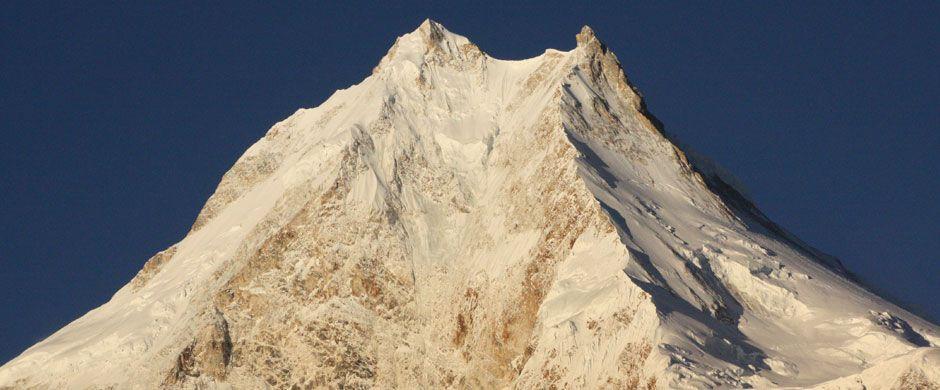
Ama Dablam Expedition
Ama Dablam is one of the worlds most iconic and stunning peaks, soaring above the Dudh Kosi River Valley en route to Everest Base Camp.
Overview
Ama Dablam is one of the world's most iconic and stunning peaks, soaring above the Dudh Kosi River Valley en route to Everest Base Camp. Known for its striking pyramid shape, the name “Ama Dablam” means “Mother’s Necklace,” symbolizing the ridges as a mother’s arms and the hanging glacier as her sacred ornament. The peak was first climbed on 13 March 1961 by Mike Gill, Barry Bishop, Mike Ward, and Wally Romanes via the South-West Ridge — still the standard and most popular route today.
Ama Dablam is a technical climb that demands experience in steep ice, rock, and mixed alpine terrain. Climbers typically establish three high camps: Camp I (5,700 m), Camp II (6,080 m), and Camp III (6,400 m). The route from Base Camp to Camp I is steep and rocky, requiring navigation across boulders and saddle ridges. From Camp I to Camp II, fixed ropes assist on exposed rocky ridges. The ascent from Camp II to Camp III includes steep mixed terrain and narrow ice gullies, leading up to the final snow and ice summit push.
From the summit, climbers are rewarded with breathtaking views of Everest, Lhotse, Nuptse, Cho Oyu, Makalu, Island Peak, and the entire Khumbu Himalaya.
We offers a professionally organized Ama Dablam Expedition, beginning with acclimatization climbs (such as Lobuche Peak) before moving to Ama Dablam Base Camp. Our 2026 and 2027 international group expeditions are now open for booking.
Climbing Routes:
Base Camp to Camp I (5,700 m):
A steep trail through grassy moraine and rocky slabs leads to Camp I, located on a narrow ridge. The terrain involves boulder scrambling and navigating exposed ridgelines.
Camp I to Camp II (6,080 m):
This is one of the most technical sections. Climbers cross rocky ridges and vertical granite sections, using fixed ropes. A mix of rock climbing, some overhangs, and narrow traverses lead to the Yellow Tower just below Camp II.
Camp II to Summit:
Previously, Camp III (6,300 m) was used, but due to icefall hazards from the Dablam (hanging glacier), most expeditions now summit directly from Camp II. The route continues on mixed snow, ice, and rock. Key features include the Mushroom Ridge and steep ice slopes near the summit. Fixed lines assist in steep sections. The summit offers breathtaking 360-degree Himalayan views.
Trip Facts
28 Days
1-15 persons
6812 meters
Khumbu Region, Nepal
Southwest Ridge
Mountaineering VI
Spring & Autumn (autumn is the best)
Hotel and Camping
flight and trek to base camp
Trip Highlights
Iconic & Beautiful Peak
Ama Dablam (6,812m) is often called the "Matterhorn of the Himalayas" due to its dramatic shape and elegant ridges. A favorite among climbers for its beauty and technical appeal.
Technical Alpine Climb
Climbing Ama Dablam involves steep rock, ice, and mixed terrain. You'll ascend using fixed ropes, tackle exposed ridgelines, and rappel through vertical sections ideal for experienced climbers seeking a true challenge.
Classic Southwest Ridge Route
This world-famous route offers sustained technical climbing, with established high camps and fixed lines. Climbing involves Camp I (5,700m), Camp II (6,080m), and summit push from Camp II (Camp III is rarely used now).
Stunning Panoramic Views
From the summit, enjoy breathtaking views of Everest, Lhotse, Makalu, Cho Oyu, Baruntse, and the entire Khumbu range.
Sherpa Culture & Khumbu Trek
The approach trek passes through legendary Sherpa villages like Namche Bazaar, Tengboche, and Pangboche—offering rich cultural experiences and traditional Himalayan hospitality.
Safe & Supported Expedition
Asian Hiking Team provides full logistical support, experienced Sherpa guides, climbing permits, and safety management at base camp and high camps.
Ideal Training for 8000m Peaks
The expedition is an excellent stepping stone for climbers preparing for peaks like Everest, Lhotse, or Makalu.
Itinerary
Arrival at Kathmandu airport, where our staff will meet you and transfer you to your hotel. Check-in, freshen up, and rest.
Day 02 and Day 03: A mandatory group meeting will be held, where you will meet your expedition leader, climbing Sherpa team, and support staff. During the meeting:The expedition itinerary and logistics will be reviewed in detail. The team will discuss climbing strategies, acclimatization schedules, and high-altitude safety protocols. Participants will receive a comprehensive briefing on weather patterns, mountain hazards, equipment checks, and communication systems used during the climb. The meeting provides an excellent opportunity to ask questions and get to know your fellow team members. In parallel with the team briefing, Team will handle all the necessary official formalities and documentation required for your Expedition. The team will attend an official pre-expedition briefing conducted by an officer from the Ministry of Tourism. The liaison officer and expedition leader will sign the official commitment to adhere to responsible mountaineering practices.
Early Morning, Hotel pick-up & Transfer to Domestic Terminal (TIA). Depart from Tribhuvan International Airport's domestic terminal in Kathmandu for a scenic 30–35 minute flight to Tenzing-Hillary Airport in Lukla (2,860m / 9,383ft). Upon Arrival in Lukla, Meet your trekking guide, who will provide a briefing on the day's trek and introduce you to the porters/Sherpas. While the porters organize and load the trekking equipment, take some time to explore Lukla and enjoy breakfast. Trek to Phakding; start your trek by heading north from Lukla, passing a chorten adorned with prayer wheels. Join the main trail at Choplung (2,696m / 8,845ft) within the first hour. Continue northward, crossing the Thado Khosi River (2,554m / 8,379ft), with views of the impressive Kusum Kanguru peak (6,367m / 20,889ft) at its head. The trail features a mix of gentle ascents and descents, passing through charming Sherpa villages and lush forests. After approximately 3 hours of trekking, arrive at Phakding (2,610m / 8,563ft), approximately 7.5 km. Note: in the season time, there are no direct flight to Lukla (air traffic in Kathmandu airport) so early morning drive to Ramechhap airport, 4 hours and flight to Lukla and continues trekking to Phakding.
Start your day by crossing the Dudh Koshi River via a suspension bridge, entering a trail that meanders through enchanting blue pine and rhododendron forests. The path ascends gently, leading you to the village of Tok Tok, known for its traditional metalwork. Here, you'll be greeted with a captivating view of Mount Thamserku (6,608m / 21,680ft). Continuing onward, you'll pass through the village of Banker (2,905m / 9,531ft), which offers a small lodge for trekkers. The trail then crosses to the east bank of the Dudh Koshi River, leading you through Chumowa and towards Monjo (2,835m / 9,301ft). Monjo is the entrance to Sagarmatha National Park, a UNESCO World Heritage Site. Here, you'll need to present your permits for verification. After completing the permit formalities, descend to the river and cross a suspension bridge to reach Jorsalle (2,774m / 9,100ft), the last settlement before Namche Bazaar. This is an ideal spot to rest and have lunch before the challenging ascent ahead. The trail continues along the Dudh Koshi River, leading you to the iconic Hillary Suspension Bridge. Crossing this bridge marks the beginning of a steep climb through dense pine forests. Approximately halfway up, you'll be rewarded with your first glimpse of Mount Everest, nestled between the peaks of Lhotse and Nuptse. The final stretch involves a series of switchbacks that eventually lead you to the vibrant town of Namche Bazaar, approximately 10.8 km (6.7 miles). Upon arrival in Namche Bazaar, settle into your accommodation and take time to explore the town's unique blend of traditional Sherpa culture and modern amenities. Namche offers various facilities, including cafes, shops, and internet access, making it a comfortable spot to rest and acclimatize.
An important day for acclimatization. Hike to the Everest View Hotel for stunning panoramic views of Everest, Lhotse, and Ama Dablam. Optionally, visit the traditional Sherpa villages of Khumjung and Kunde. Explore the vibrant market, cafes, and museums in Namche.
Starting from Namche Bazaar, the trail ascends eastward, skirting the ridge above the Dudh Koshi River. This path offers panoramic views of the Himalayan giants, including Everest, Lhotse, Nuptse, and the distinctive Ama Dablam. The route meanders through rhododendron and conifer forests, passing through the settlement of Kyangjuma. Descending steeply, the trail leads to the riverside hamlet of Phunki Tenga (3,250m / 10,663ft), nestled beside the Dudh Koshi River. This is an ideal spot to rest and enjoy lunch before tackling the afternoon ascent. After lunch, the trail climbs steadily through a dense forest of pine and rhododendron. The ascent is invigorating, with the sounds of the river fading as you gain altitude. After approximately 2 to 3 hours of climbing, you arrive at the spiritual heart of the Khumbu region, approximately 9.6 km (6 miles). After settling into your guesthouse, take time to explore the surroundings. The views from Tengboche are breathtaking, with the majestic peaks of Everest, Nuptse, Lhotse, Ama Dablam, and Thamserku forming a stunning backdrop. The serene environment and spiritual ambiance make Tengboche a memorable stop on your trek. Tengboche Monastery: Tengboche is renowned for its impressive monastery, the largest in the Khumbu region. Founded in 1916, Tengboche Monastery (also known as Dawa Choling Gompa) is a significant center of Tibetan Buddhism. The monastery has been rebuilt twice due to natural disasters and stands as a testament to the resilience and devotion of the local community. Visitors are welcome to attend the daily prayer ceremonies, which typically occur at dawn and dusk. These sessions, filled with the resonant chants of monks and the sounds of traditional instruments, offer a profound spiritual experience. Normally the pryering time 3pm and 6am the time it's advisable to check upon arrival.
Departing from Tengboche, the trail descends through a serene rhododendron and juniper forest, leading to a crossing over the Imja Khola via a sturdy suspension bridge. As you ascend, the majestic Ama Dablam (6,812m / 22,349ft) dominates the skyline, offering breathtaking view. The path continues to Pangboche (3,985m / 13,074ft), home to the Khumbu region's oldest monastery, Pangboche Gompa, established in the 17th century. If time permits, a visit to this monastery provides insight into the region's rich spiritual heritage. Beyond Pangboche, the landscape transitions to alpine meadows with sparse vegetation. After approximately an hour's trek, you'll reach the settlement of Somare (4,010m / 13,156ft), an ideal spot for a lunch break. Continuing onward, the trail splits: the left path leads to Pheriche, while the right ascends to Dingboche. Opt for the right path, gradually climbing to Dingboche, a picturesque village nestled in the Imja Valley. Dingboche is known for its stone-walled fields, protecting crops from the cold winds and grazing animals (Appro 10KM). Upon arrival in Dingboche, it's advisable to rest and hydrate. For those feeling energetic, a short acclimatization hike of approximately 200 meters (656 feet) to Nagarjun Hill offers panoramic views of Makalu, Lhotse, Chalotse, Tawache, and Ama Dablam. This "climb high, sleep low" approach aids in acclimatization, preparing you for higher elevations ahead.
This acclimatization hike follows the "climb high, sleep low" principle, aiding your body's adjustment to higher altitudes and preparing you for the upcoming ascent to Everest Base Camp. Today acclimatization hike to Nagarjun hill, the trail ascends steeply towards Nangkartshang Peak, also known as Nagarjun Hill. The path is well-trodden but becomes increasingly steep and rocky as you gain elevation. The ascent typically takes 2 to 3 hours, depending on individual pace and acclimatization. Panoramic views of towering Himalayan peaks, including Makalu (8,485m), Lhotse (8,516m), Ama Dablam (6,812m), and Island Peak (6,189m). Return to Dingboche for rest and overnight stay. Use the remainder of the day to relax, hydrate, and prepare for the next stage of your trek towards Lobuche.
Departing from Dingboche, the trail ascends gently along the lateral moraine of the Khumbu Glacier, offering panoramic views of peaks such as Tawache, Cholatse, Ama Dablam, Makalu, and Island Peak. After approximately 2.5 to 3 hours of trekking, you'll reach Dughla (also known as Thukla) at 4,620m (15,157ft), a common spot for a lunch break. From Dughla, the path steepens as you climb the moraine of the Khumbu Glacier, leading to the Thukla Pass at around 4,830m (15,850ft). Here, you'll encounter memorials dedicated to climbers who have lost their lives on Everest, providing a poignant moment of reflection. Continuing from the pass, the trail levels out, traversing the western edge of the Khumbu Glacier before arriving at Lobuche, a small settlement with several lodges catering to trekkers, approximately 8.5 km (5.3 miles). Upon arrival in Lobuche, settle into your lodge, rest, and prepare for the next day's trek towards Gorak Shep and Everest Base Camp.
Start from Lobuche, the trail follows the lateral moraine of the Khumbu Glacier. The path is rocky and undulating, with a gradual ascent to Gorak Shep. Despite the moderate elevation gain of about 254m (833ft), the high altitude makes this segment physically demanding. The distance covered is approximately 5 km (3.1 miles), typically taking 2.5 to 3 hours to complete? A brief rest and lunch at Gorak Shep, get on the trek to Everest Base Camp. The trail traverses the Khumbu Glacier's moraine, branded by loose rocks and occasional ice patches. The elevation gain is about 200m (656ft), with the round-trip distance being approximately 10 km (6.2 miles). This section typically takes 4 to 5 hours to complete.
Early morning trek to Kala Patthar, marking to reach the summit in time for sunrise. The ascent from Gorak Shep is steep and can take about 2 hours, depending on individual pace and acclimatization. At the summit, you'll be rewarded with unparalleled panoramic views of Mount Everest, Nuptse, Lhotse, Pumori, and the surrounding Himalayan peaks. This view point offers one of the most iconic standpoints of Everest, making the challenging climb worthwhile. After wringing in the sunrise views, descend back to Gorak Shep for a well-deserved breakfast. Following your meal, commence the trek down to Pangboche. The trail retraces your steps past Lobuche and continues through the Khumbu Glacier's moraine, offering a different perspective of the landscape as you descend. The journey to Pangboche takes approximately 5 hours, with the trail becoming progressively easier as you lose altitude (Approx. 15KM). Upon arrival in Pangboche, settle into your guesthouse and take the opportunity to rest and reflect on your journey. Pangboche is home to one of the oldest monasteries in the Khumbu region, and if time permits, a visit can provide cultural insights into the Sherpa community.
Trek from Pangboche to Ama Dablam Base Camp (2–4 hours), descending through alpine meadows and crossing the river before climbing steadily to the base camp (4,570 m). Enjoy close-up views of Ama Dablam and surrounding peaks. Overnight at tented camp (B/L/D).
The team rests and performs the traditional Buddhist Puja ceremony for safe passage. Final gear check and rope practice with Sherpa guides.
The team rests and performs the traditional Buddhist Puja ceremony for safe passage. Final gear check and rope practice with Sherpa guides.
Steep hiking over rocky terrain and ridges. Establish Camp I. Sleep one night at Camp I.
Climb partway to Camp II via rock sections using fixed ropes. Descend to Base Camp for full recovery.
Focus on nutrition, hydration, and rest. Summit Push Phase (Weather Dependent)
Moderate rock scramble. Sleep at Camp I.
Technical rock climbing via yellow tower and ridge. Sleep at Camp II (no longer using Camp III due to glacier hazard).
Steep mixed climbing sections with rock, ice, and snow. Cross Mushroom Ridge and Dablam Glacier to summit. Enjoy breathtaking 360° views (Everest, Lhotse, Makalu, Cho Oyu). Descend same day to Camp II or Camp I depending on strength and time.
Carefully rappel and down climb to base camp. Celebration and recovery.
Spare day for weather / Rest.
Spare day for weather / Rest
Enjoy a hot breakfast at AmaDablam Base Camp, clean up the campsite, and begin your return trek. Continue trekking to Pangboche or follow your own itinerary as preferred.
Start trek from Pangboche, the trail descends through alpine forests to Debuche, a serene village known for its nunnery. From Debuche, a short ascent leads to Tengboche (3,867m / 12,687ft), home to the renowned Tengboche Monastery. Continuing from Tengboche, the path descends steeply to Phunki Tenga, where you cross a suspension bridge over the Dudh Kosi River. After the bridge, a steady climb brings you to Kyangjuma, offering panoramic views of Ama Dablam, Thamserku, and other peaks. The final stretch to Namche Bazaar is a relatively flat trail that meanders through pine forests, where you may encounter wildlife such as musk deer, Himalayan tahr, and various pheasant species, approximately 13 km (8 miles). Upon arrival in Namche Bazaar, check into your hotel and enjoy the amenities of this bustling Sherpa town.
Start from Namche Bazaar, the trail descends steeply through pine forests, passing by small villages and crossing several suspension bridges over the Dudh Kosi River. The path includes both descents and ascents, providing a moderate challenge. As you approach Lukla, the trail levels out, leading you through rhododendron forests and Sherpa settlements. The journey offers opportunities to reflect on your trekking experience and enjoy the natural beauty of the Khumbu region; approximately 17.7 km (11 miles) 6-7 hours. Upon arrival in Lukla, check into your hotel and take time to relax and celebrate the completion of your trek. Lukla offers various amenities, including cafes and shops, where you can unwind and share your experiences with fellow trekkers. This final evening provides an opportunity to reflect on your journey and prepare for your return flight to Kathmandu.
After completing your trek, you'll take a morning flight from Tenzing-Hillary Airport in Lukla back to Tribhuvan International Airport in Kathmandu. Flights typically operate in the early morning hours, between 6:00 AM and 9:00 AM, to take advantage of favorable weather conditions approximately 30 to 40 minutes. Weather Delays: Due to Lukla's location and unpredictable weather patterns, flights can experience delays or cancellations. It's recommended to allocate an extra day in your itinerary to accommodate potential disruptions. Baggage Allowance: Most airlines have strict baggage limits, typically around 10 kg for checked luggage and 5 kg for hand luggage. Alternative Options: In cases of prolonged flight cancellations, helicopter charters from Lukla to Kathmandu are available. These flights take approximately 40 to 50 minutes and can be arranged for groups or individuals. Another option walk to Surkhe 1 hour and drive by Jeep to Sallery continues to Kathmandu 15-16 hours. Once you land in Kathmandu, you'll be transferred to your hotel. This is an excellent opportunity to rest and reflect on your trekking experience. You might also consider exploring local attractions, shopping for souvenirs, or enjoying a traditional Nepali meal.
As your memorable journey through the Himalayas achieves, our airport representative will ensure a smooth transfer from your hotel to Tribhuvan International Airport (TIA) in Kathmandu for your departure flight. We hope your journey through Nepal has been inspiring and unforgettable. Should you plan to explore more of this beautiful country, feel free to reach out for assistance. Safe travels!
Route Map
What's Included
Land Transport / Domestic Air ticket
- Pick up/Drop from International Airport to Hotel.
- Kathmandu/Ramechhap to Lukla both way flight.
Accommodation and Meals
- Hotel in Kathmandu with breakfast (3-star).
- Lodge accommodation during the trek.
- Single tent with mattress and pillow at Base Camp.
- High altitude tents for members and Sherpas.
- All camping equipment and furniture at Base Camp.
- All meals (Breakfast, Lunch, Dinner) with hot drinks during camping/climbing.
- High-altitude food and snacks for the climb.
Permits and Entry fees
- Sagarmatha (Everest) National Park permit.
- Ama Dablam Expedition Permit /Royalty.
- Government appointed Liaison Officer expenses.
- Local entry permits and fees.
Staffs: Guide, Sherpa, Porters
- One high altitude Sherpa guide per member.
- Support Sherpas for carrying loads to upper camps.
- Porters/Yaks for baggage (50-60kg allowance per person).
- Base Camp Manager, cook, and necessary staff.
- Wages, meals, accommodation, and insurance for all staff.
Equipment or gear and souvenir
- Trekking Map and Itinerary.
- Group climbing equipment (ropes, ice screws, etc.).
- Emergency Oxygen bottles, mask, and regulator.
- Solar panel/generator at Base Camp for charging small electronics.
- Rope fixing fee.
- Company T-shirt and souvenir.
- Expedition success certificate.
Additional features
- Basic first aid kit carried by staff.
- Satellite phone for emergency communication.
- Farewell dinner with cultural program.
- Travel & Rescue arrangement service.
What's Not Included
International Air Ticket / Nepal Visa fees
- International air ticket to/from Nepal.
- Nepal tourist visa fees.
Additional Accommodation and Meals
- Lunch and Dinner in Kathmandu.
- Hot drinks (tea/coffee), hot showers, and bottled water during the trek at lodges.
- All cold drinks, alcoholic beverages, and beer.
- Personal snacks for the trekking portion.
Personal Natural Expensive
- Personal trekking and climbing gear (rentals available).
- Personal solar chargers for heavy electronics.
- Internet/Wi-Fi/Telephone costs.
- Medical evacuation and expenses due to unforeseen circumstances.
Additional Entry fees and tip/donation
- Entry fees for sightseeing in Kathmandu.
- Tips for guides, porters, and summit bonuses.
Additional porter or Sherpa request
- Cost for hiring an additional porter if your baggage exceeds the 50-60kg allowance.
- Cost for a personal Sherpa/guide if requested.
Dates & Availability
No fixed dates available
Gallery
Frequently Asked Questions
Ama Dablam is a technical and challenging climb, graded as Mountaineering VI. It is suitable for experienced climbers with proficiency in steep rock, ice, and mixed terrain. Trekking peaks are generally less difficult, while expeditions above 7,000 meters are more demanding.
The best seasons are Autumn (September–November) for its clear skies and stable conditions, and Spring (March–May). Winter is for highly experienced climbers only due to extreme cold, and the monsoon season is generally avoided.
Yes, a specific climbing permit for Ama Dablam is required from the Department of Tourism. The cost varies by season. Our team handles all permit arrangements.
During the trek to base camp, you will stay in teahouses/lodges. From Ama Dablam Base Camp upwards, accommodation will be in fully supported tented camps, with dining, sleeping, and toilet tents provided.
During the camping portion of the climb, our cooks will prepare a variety of nutritious meals, including Nepali and international dishes like Dal Bhat, pasta, eggs, and pancakes. At teahouses, you can choose from a menu.
The expedition uses a combination of domestic flights (Kathmandu to Lukla), private vehicles for ground transport, and trekking on foot. Porters and yaks will transport equipment to base camp.
During the camping and climbing sections, our team will provide boiled and purified water. On the trek, you can buy bottled water or use purification tablets/filters with water from lodges. We recommend avoiding single-use plastic bottles.
You need extensive mountaineering experience, including proficiency in rock and ice climbing, use of fixed ropes, and high-altitude trekking. You must be mentally and physically fit for extreme conditions.
Our climbing guides are government-licensed, experienced professionals, many of whom are Everest summiteers. They are trained in advanced mountaineering techniques, first aid, and high-altitude rescue.
You will need personal climbing gear including a harness, helmet, ice axe, crampons, ascenders, and appropriate double boots. We provide group equipment like ropes, ice screws, and tents. A detailed checklist is provided.
Yes, comprehensive travel insurance is mandatory. It must cover emergency helicopter evacuation, medical treatment, and trip cancellation.
Our guides are trained in first aid and carry a satellite phone for emergencies. We have established protocols for handling emergencies, including arranging helicopter rescue, which must be covered by your insurance.
Private trips are 100% guaranteed to depart once booked. Group trips are guaranteed once a minimum number of participants (usually 2-4) is reached. If the minimum is not met, we will offer alternative dates or a private trip option.
Please refer to our 'Terms and Conditions' page for detailed information on our cancellation policy.
Price on Request
Contact us for pricing